
Zanzibar during AFCON 2027
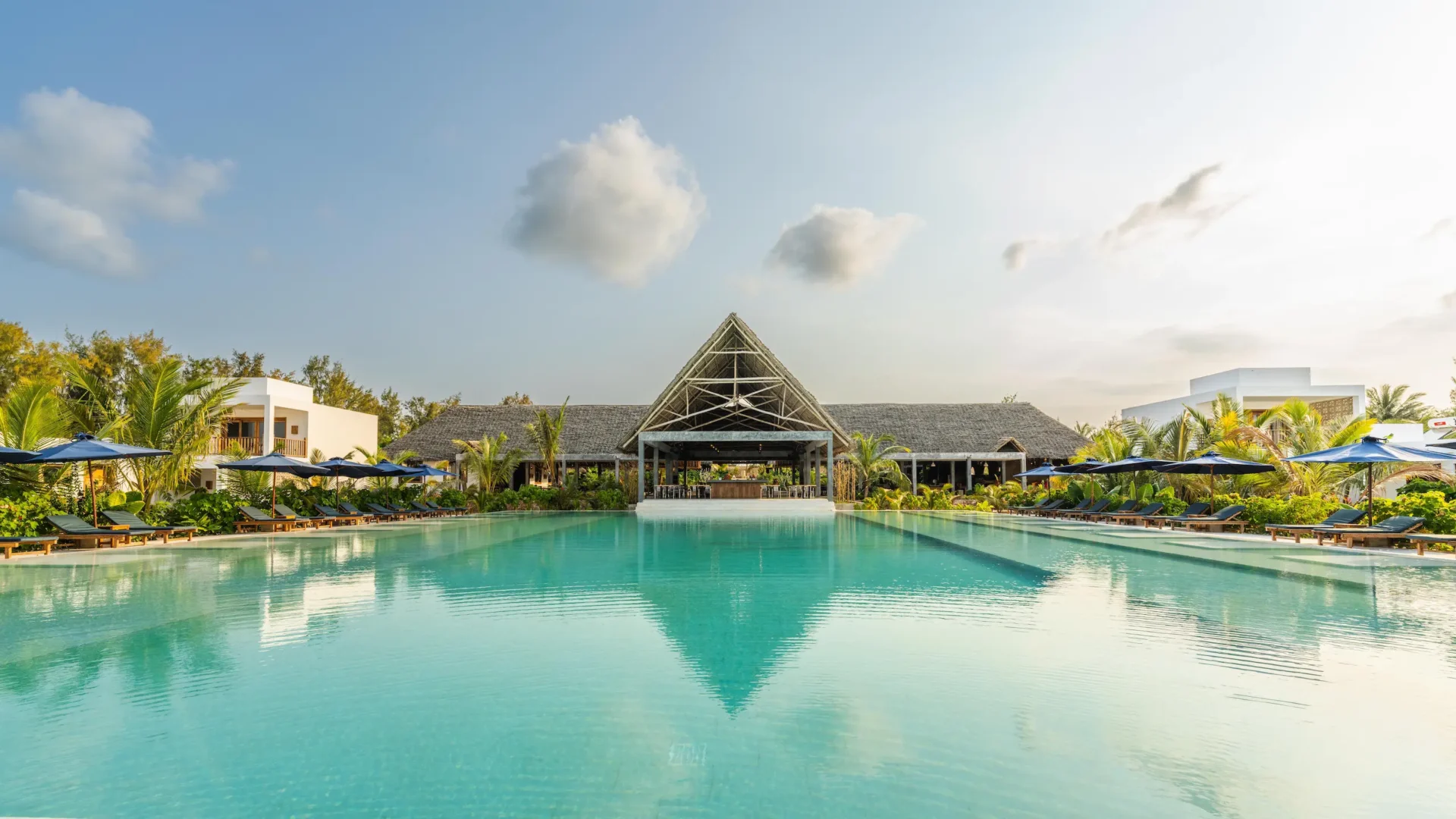
Matches, Stone Town and the Indian Ocean — how to combine football with the best beach season of the year.
Few tournaments offer a group-stage match and a dhow sunset on the same day.
Zanzibar is expected to host matches at AFCON 2027, which runs from 19 June to 17 July 2027. It is, on paper, one of the most appealing places in the world to watch football.
The archipelago sits off Tanzania’s coast in the Indian Ocean: Stone Town’s narrow lanes and carved doors, spice farms inland, coral reefs offshore and a coastline of white sand and shallow turquoise water.
June and July are also among Zanzibar’s most dependable months. The Zanzibar Commission for Tourism identifies June to October as one of the best periods to visit, with generally dry conditions, comfortable temperatures and good conditions for beach and water activities.
For a travelling supporter, that combination is hard to beat.
Why Zanzibar works as a tournament base
Zanzibar is easy to reach and easy to leave. Abeid Amani Karume International Airport receives international flights and frequent domestic connections, and the island is a short hop from both Dar es Salaam and Arusha.
Ferries run between Stone Town and Dar es Salaam several times daily, which gives supporters a second route between host cities.
The island is compact. Nowhere is more than about two hours by road from Stone Town, so a beach hotel and a stadium visit are entirely compatible in one day.
Africa Amaze tip: If you are attending a match on Zanzibar, stay on the island rather than day-tripping from the mainland. The ferry and flight schedules are reliable but not infinitely flexible, and match timings can shift.
Where to stay
Stone Town
Staying in Stone Town puts you inside a UNESCO World Heritage Site, within walking distance of the market, the seafront, the Old Fort and the Forodhani food stalls. It is atmospheric, walkable and central for transport.
It is not a beach base. Rooms are historic and often small, and the town is busy — which is precisely its appeal.
The north — Nungwi and Kendwa
The north has the island’s best swimming beaches, with deep water at all tides and the liveliest evening scene. It is about an hour and a half from Stone Town.
The east — Paje, Jambiani, Michamvi
The east coast is broad, bright and tidal, with world-class kitesurfing at Paje and a quieter, more spread-out feel. Swimming depends on the tide.
The south-west and Fumba
Closer to Stone Town, calmer and increasingly well served by good hotels. Convenient for anyone balancing town commitments with beach time.
For a football trip we usually recommend two or three nights in Stone Town around the match, then moving to a beach for the rest of the stay.
What to do between matches
- Stone Town walking tour — the House of Wonders area, the Old Fort, the former slave market site and the Anglican Cathedral
- Spice farm visit — cloves, nutmeg, vanilla and cinnamon, and the history that made Zanzibar wealthy
- Prison Island — giant Aldabra tortoises and a short boat ride from town
- Snorkelling at Mnemba Atoll — the island’s finest reef, reached from the north-east
- Diving — June and July offer generally good visibility and calm conditions
- Jozani Forest — the endemic red colobus monkey, found nowhere else on earth
- Dhow sunset sailing — the classic Zanzibar evening
- The Rock and Michamvi peninsula — a standard day out on the east coast
- Kitesurfing at Paje — conditions are good in the June–August wind season
- Forodhani night market — street food on the Stone Town seafront
Safari and Zanzibar together
Most travellers who come this far do not stop at the beach.
Zanzibar is a short flight from Arusha, which means the classic Tanzanian combination — northern circuit safari followed by the coast — fits around the tournament without difficulty.
June and July are peak dry season on the mainland. The Great Migration is moving north through the Serengeti, wildlife viewing is at its most reliable, and Kilimanjaro is in its main climbing window. Finishing on Zanzibar is the natural end to that journey.
There are also direct flights between Zanzibar and the Serengeti airstrips in season, which removes a day of travel.
Africa Amaze recommendation: Safari first, beach last. Arriving on the coast with the dust and early mornings of a safari behind you is a far better sequence than the reverse.
Practical notes
- Zanzibar is a predominantly Muslim society — modest dress is expected in Stone Town and villages, while beachwear is fine at hotels and on the beach
- Tides on the east coast are dramatic; check tide times if swimming matters to you
- June and July are warm and humid rather than hot, with cooling sea breezes
- Zanzibar levies a separate infrastructure tax per night, payable locally
- Arrange transfers in advance; the airport is busy and taxi negotiation on arrival is best avoided
- Cash in Tanzanian shillings is useful in markets, though cards are widely accepted at hotels
Plan your Zanzibar stay
Africa Amaze arranges Zanzibar itineraries as stand-alone trips and as extensions to safari and Kilimanjaro journeys. We know which coast suits which traveller, and we will say so plainly rather than sell you the nearest available room.
Tell us your match dates and how long you have. We will place you on the right part of the island, handle the transfers and flights, and add the mainland if you want it.
June and July are Zanzibar’s high season. With a tournament on top of it, the good properties will fill early.
Watch the football. Then let the Indian Ocean take over.
Read next