
Tarangire: when to go, and what you will actually see
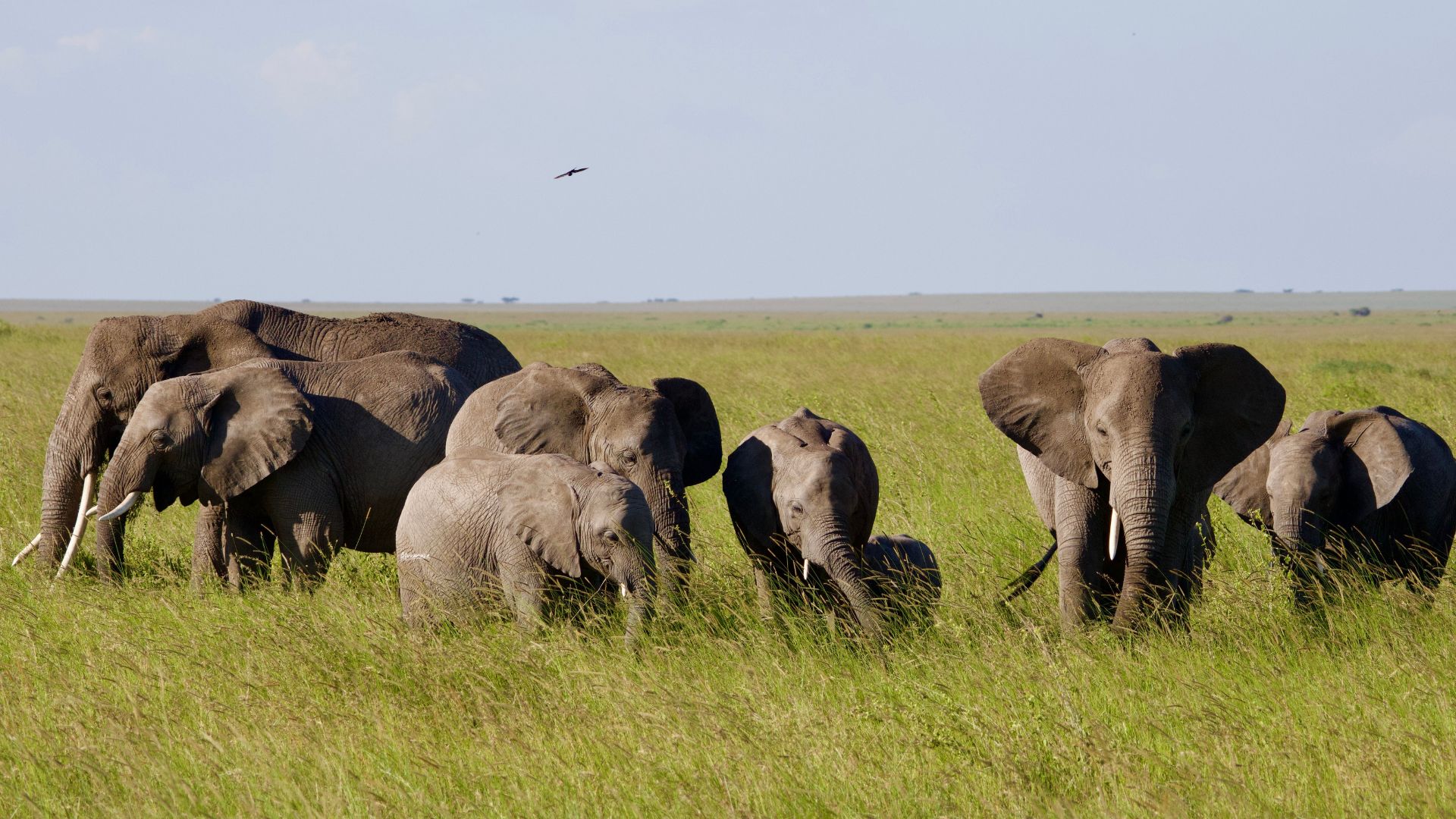
The first park on almost every itinerary we build, and the one guests most often say they wish they had given another night.
Where it is
About ninety minutes south-west of Arusha, which makes it the only park on the northern circuit you can reach and game drive on the same day you land. That is why it belongs on day one.
It covers roughly 2,850 square kilometres, though the part visitors use is the river valley in the north.
What it is known for
Elephant, in numbers that surprise people who came for the Serengeti. In the dry season the Tarangire River is one of the only permanent water sources in the region, and herds of several hundred gather along it.
And baobabs. Tarangire has the densest baobab landscape on the circuit, which gives the park a look nothing else in Tanzania has.
In September, Tarangire holds one of the highest elephant concentrations anywhere in Africa. In April it can feel empty.
The seasonality is extreme
This is the thing to understand about Tarangire and the thing most itineraries ignore.
- June to October: outstanding. Animals concentrate on the river because everything else has dried. Elephant, buffalo, zebra, wildebeest, eland and predators follow.
- November to May: the rains disperse the game across the wider ecosystem and out into the Maasai Steppe. The park is green, beautiful and considerably quieter in terms of animals.
So in the dry season Tarangire deserves two nights. In the wet season, one is usually right, or a half day on the way through.
What you will see
Reliable: elephant, giraffe, zebra, impala, warthog, waterbuck, mongoose, and an exceptional range of birds. Tarangire has over 500 recorded species, including the yellow-collared lovebird and the ashy starling that are close to endemic here.
Likely in the dry season: lion, often on kills near the river.
Possible: leopard in the riverine trees, and the tree-climbing behaviour Tarangire shares with Manyara.
Uncommon: rhino, which are not present. Cheetah, which prefer the open plains further north.
Where to stay
Inside the park along the river if you can. The drive from the Karatu lodges eats the best hours of the morning, and Tarangire’s best game viewing is early.
[TABLE: our Tarangire camps by tier, with position relative to the river and nightly rates.]
How long
- Dry season, unhurried trip: two nights.
- Dry season, short trip: one night, arriving early enough for an afternoon drive.
- Wet season: one night, or a half day en route to the crater.
The common mistake
Treating Tarangire as a stopover. Groups arrive at four in the afternoon, do a short drive, sleep, and leave at eight the next morning, having paid two park entries for about three hours of game viewing. Arrive early or stay two nights.
Read next