
The Yellow-Collared Lovebird: A Small Parrot with a Big Personality
Discover the yellow-collared lovebird, a colourful Tanzanian parrot known for its green body, dark head and bright yellow collar.
Introduction
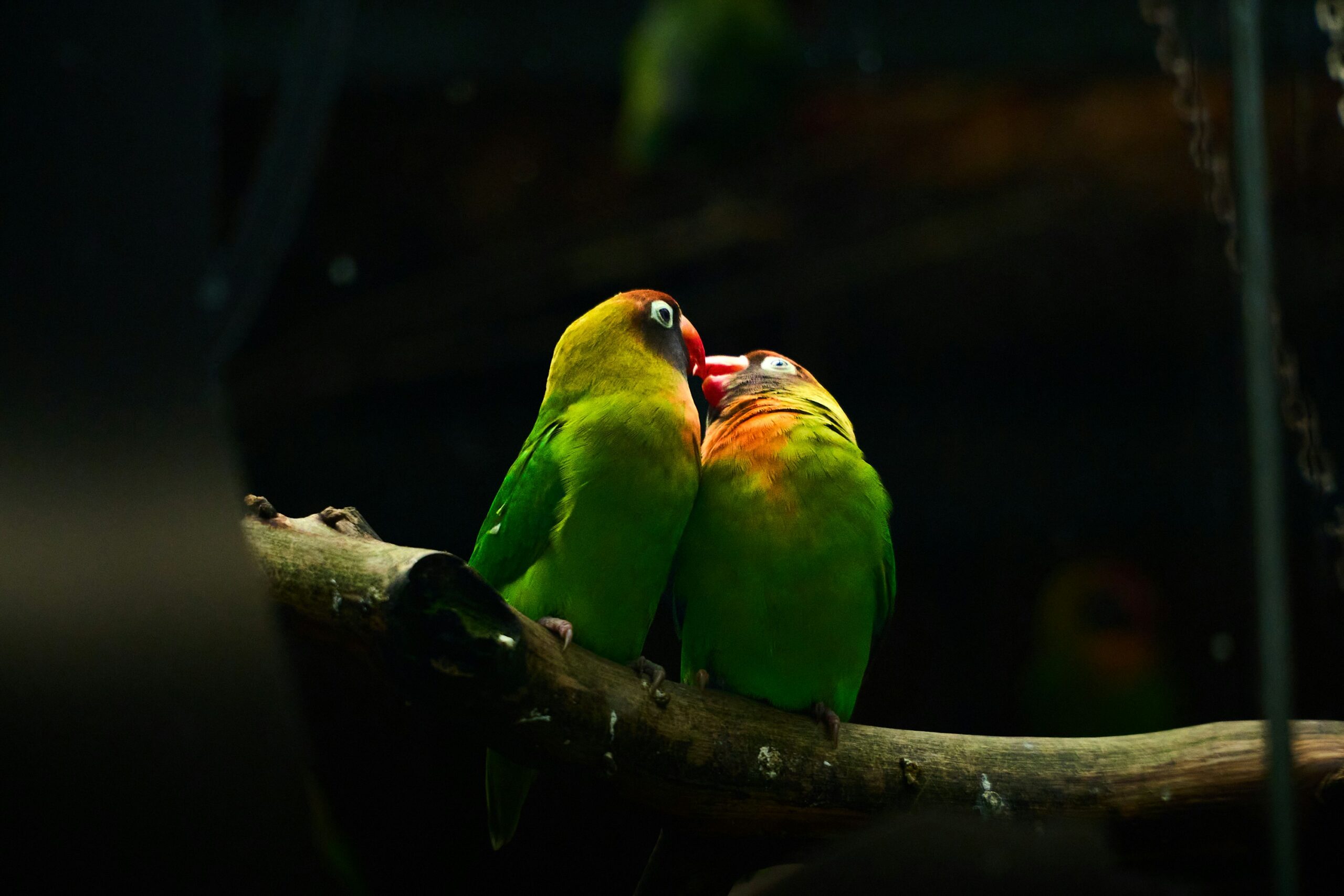
Small, active and full of character, the yellow-collared lovebird is one of the most appealing birds to look for in Tanzania. Its bright green body, dark head and yellow collar make it easy to recognise once you get a clear view.
For visitors interested in Tanzania’s special bird species, this little parrot is a rewarding addition to a safari checklist.
How to Identify the Yellow-Collared Lovebird
The yellow-collared lovebird has a green body, a dark head and a bright yellow collar around the neck. Its compact shape and strong bill give it the appearance typical of a small parrot.
Lovebirds are social and often travel in pairs or small groups, calling as they move between feeding areas.
What Does It Eat?
Its diet includes seeds, fruits and other plant material. It forages in trees and on the ground, depending on where food is available.
Because lovebirds can move quickly and remain active throughout the day, watching them often requires patience and careful attention.
Where Can You See It in Tanzania?
The yellow-collared lovebird is native to Tanzania and is associated with dry woodland and savannah habitats. Tarangire National Park is one of the well-known places where visitors may look for it.
As with any wild species, sightings depend on location, season and local conditions.
Why Native Birds Matter
Tanzania is home to several bird species with very restricted natural ranges. Protecting the habitats of these birds is important for maintaining the country’s distinctive biodiversity.
Visitors should avoid buying wild-caught birds and should never disturb nesting sites or encourage wildlife to approach vehicles for photographs.
Found Only in Tanzania
The yellow-collared lovebird (Agapornis personatus), also known as the masked lovebird, is endemic to Tanzania. Its natural range covers the dry woodland and savannah of the north and centre of the country.
Small populations also exist outside Tanzania, for example in parts of Kenya and Burundi, but these come from birds that escaped or were released from captivity.
Identification in Detail
The head is black, giving the bird its masked look, with a white ring of bare skin around each eye and a bright red bill. The yellow collar spreads onto the chest, and the rest of the body is green.
It is about 14 to 15 centimetres long, roughly the size of a sparrow.
Baobabs and Nest Holes
Yellow-collared lovebirds nest in tree cavities, and the old baobabs of Tarangire National Park are a favourite. Pairs carry strips of bark and grass in their bills to line the nest.
Watching a baobab trunk for a few minutes in Tarangire can reveal lovebirds coming and going from a nest hole.
Where to Look
- Tarangire National Park: the most reliable site, especially among baobabs
- Lake Manyara area: dry woodland on the edges of the park
- Ruaha National Park: baobab and dry woodland country in central-southern Tanzania
Frequently Asked Questions
Is the yellow-collared lovebird only found in Tanzania?
Its natural range is entirely within Tanzania. Populations elsewhere come from introduced or escaped birds.
Where is the best place to see it?
Tarangire National Park, where flocks are often seen around baobab trees.
Do yellow-collared and Fischer’s lovebirds mix?
In the wild their natural ranges barely meet, but where both have been introduced, such as around Lake Naivasha in Kenya, they have hybridised.
Look for This Colourful Parrot on Safari
The yellow-collared lovebird is a reminder that some of Tanzania’s most interesting species are much smaller than the animals usually featured in safari brochures.
Explore Tanzania with Africa Amaze and enjoy the many special birds that make its landscapes unique.
Read next