
Hartlaub’s Turaco: A Beautiful Forest Bird of East Africa
Discover Hartlaub’s turaco, a striking forest bird with a crest and vivid plumage, and learn where it may be found in Tanzania.
Introduction
Turacos are among Africa’s most attractive forest birds, and Hartlaub’s turaco is a memorable example. Its upright crest, expressive face and rich plumage make it a fascinating species to look for in wooded habitats.
Unlike the birds that gather around lakes or roam across open savannah, turacos are closely associated with trees and the food they provide.
How to Recognise Hartlaub’s Turaco
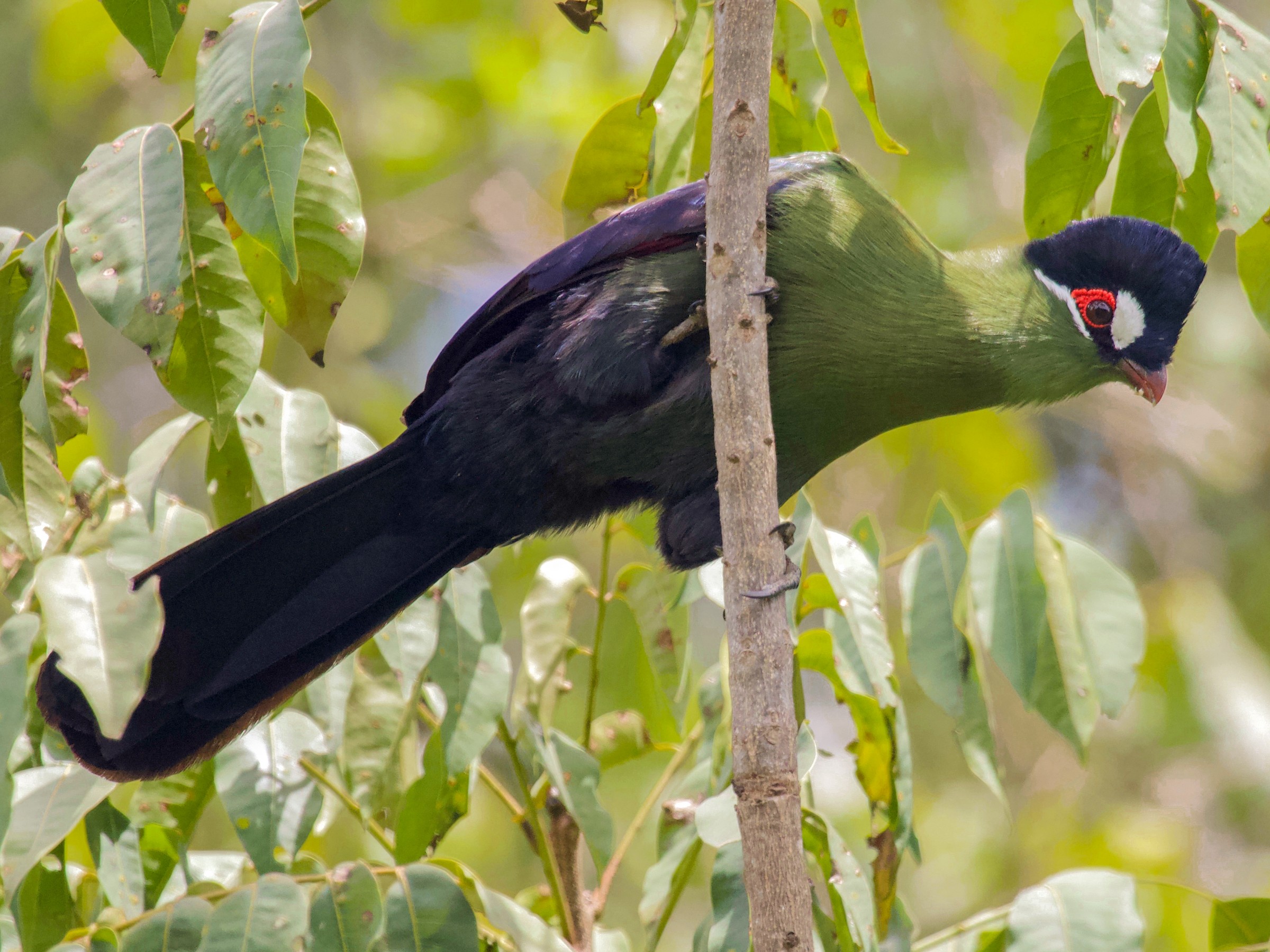
Hartlaub’s turaco has a prominent crest and colourful plumage, with shades of green, blue and darker tones that can appear especially vivid in good light.
Turacos are agile climbers and often move through branches in search of fruit and other food. Their colours can blend surprisingly well with the surrounding leaves when they are in deep shade.
Feeding and Behaviour
Fruit is an important part of a turaco’s diet. By feeding on fruit and moving through the forest, turacos can contribute to seed dispersal.
They may travel through trees in pairs or small groups, calling to one another as they move between feeding sites.
Where Can You Look for Hartlaub’s Turaco?
Hartlaub’s turaco is associated with suitable wooded habitats in East Africa, including parts of Tanzania. Forested landscapes around Mount Meru and other appropriate habitats may offer opportunities, but sightings depend on the specific location.
Visitors should check local bird records and ask an experienced guide about the most promising areas.
The Importance of Forests
Forest birds depend on a range of resources, including fruiting trees, cover and suitable nesting locations. Protecting native vegetation helps maintain the conditions they need to survive.
Quiet observation is especially important in forests, where birds can be easily disturbed by loud noise or people approaching too closely.
Colours That Appear in Flight
Hartlaub’s turaco (Tauraco hartlaubi) is mainly green, with a dark blue-black crest and a white mark in front of the eye. When it flies, it reveals bright crimson flight feathers that are hidden when the wings are closed.
Turacos produce these colours with unusual pigments. The red comes from turacin, a pigment containing copper, and the green from a related pigment called turacoverdin. Very few other birds have true green pigment in their feathers.
A Highland Species
Hartlaub’s turaco is a bird of highland forest in East Africa, found in Kenya, northern Tanzania and eastern Uganda. In Tanzania it is associated with the forested mountains of the north, including Mount Meru, Kilimanjaro and the Ngorongoro highlands.
Arusha National Park is one of the most reliable places to see it, where it is often seen in the forest around Ngurdoto Crater and along forested roads.
How to Find One
Turacos run and hop along branches rather than flying often. Listen for their loud, croaking calls, then look for movement in the mid-canopy.
A short flight between trees is the moment to look for the red in the wings, which is often what first catches the eye.
Quick Facts
- Length: around 40 to 45 centimetres
- Habitat: highland and montane forest
- Diet: mainly fruit, also leaves, flowers and insects
- Conservation status: Least Concern
Frequently Asked Questions
Where can I see Hartlaub’s turaco in Tanzania?
Arusha National Park is the most accessible site, along with the forests of Mount Meru, Kilimanjaro and the Ngorongoro highlands.
Why are turaco wings red?
The red comes from turacin, a copper-based pigment found almost only in turacos.
Is Hartlaub’s turaco hard to see?
It can be shy, but in suitable forest it is fairly common. Calls are the best clue to its position.
Look Beyond the Savannah
Discovering a turaco can add a completely different dimension to a Tanzania trip. It invites visitors to explore forest trails and pay attention to the sounds and movement above them.
Africa Amaze can help you discover the rich variety of habitats and wildlife that make Tanzania an exceptional destination.
Read next