
Climbing Kilimanjaro over 60
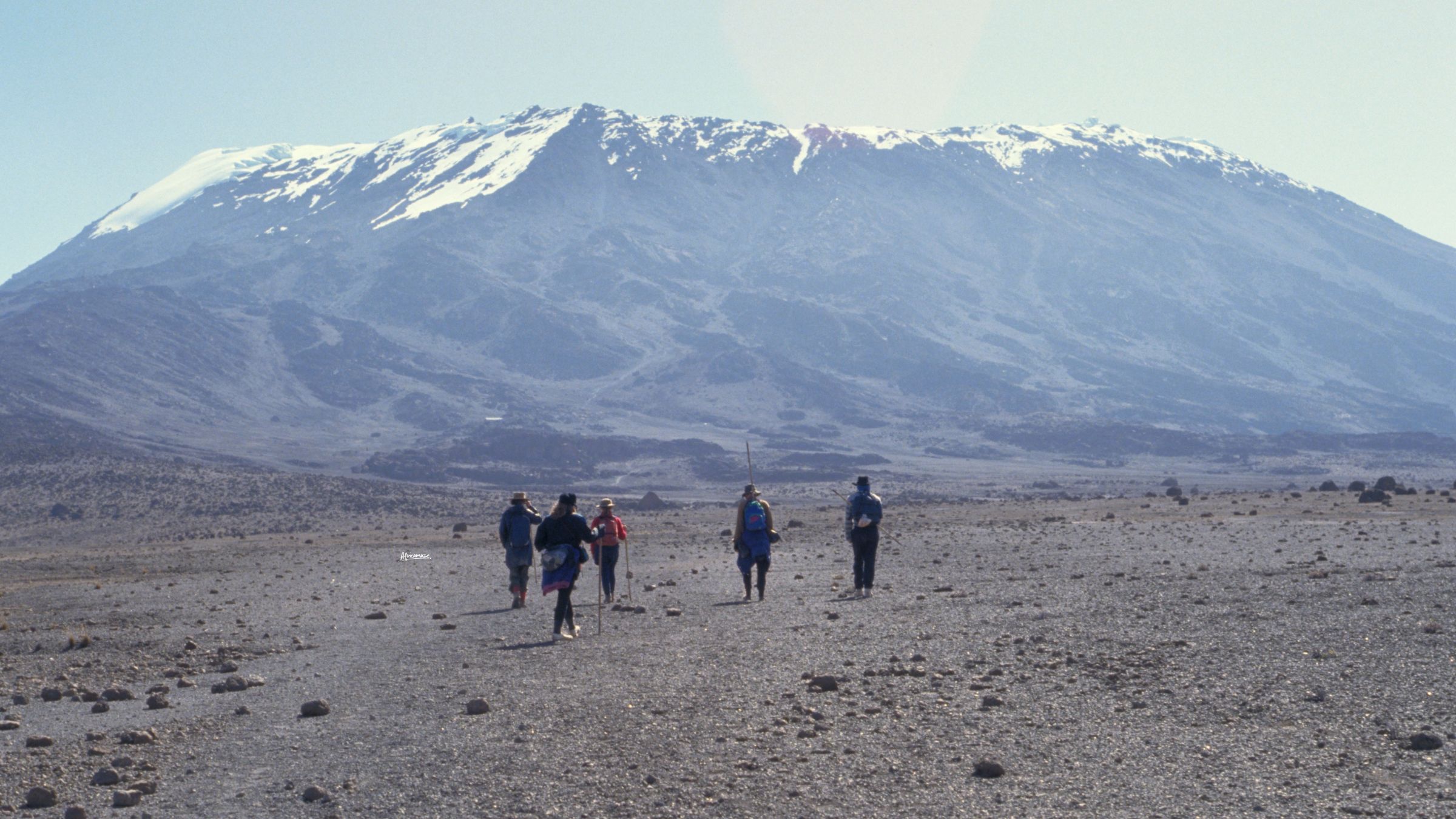
Age is a much weaker predictor of summiting than almost anyone expects. What changes, what does not, and how we build the trip differently.
The honest starting point
We summit climbers in their sixties and seventies regularly. The oldest people to reach Uhuru have been in their eighties. Meanwhile we turn back people in their thirties most seasons.
Altitude does not read a passport. What matters is acclimatisation time, pace discipline and honesty about symptoms, and older climbers are frequently better at all three.
The advantage older climbers have is that they are not trying to prove anything, which is exactly the right attitude at 4,600 metres.
What genuinely changes
- Recovery between days is slower. That argues for more days, not fewer.
- Joints take the descent harder than the ascent. Poles stop being optional.
- Sleep at altitude is poorer, and it was probably already lighter at home.
- Medication matters. Anything for blood pressure, heart, or blood thinning needs a conversation with your doctor about altitude specifically.
What we change
Longer routes, without exception. Eight-day Lemosho or nine-day Northern Circuit rather than seven-day Machame. The extra nights are the single most useful intervention available.
A slower published pace, agreed before the climb, so that the group plan is built around it rather than accommodating it.
A higher guide ratio, so that if anyone needs to descend the group does not have to reorganise.
More attention to the descent, which is where injuries happen. Two poles, a slower schedule, and a longer descent day rather than the compressed one most operators run.
The medical conversation
This is not optional and it is not ours to have. Speak to your doctor about:
- Any cardiac or respiratory condition, and how it behaves at altitude.
- Blood pressure medication, which can interact with acetazolamide.
- Blood thinners, and what a fall at altitude would mean.
- Whether acetazolamide is appropriate for you at all.
Bring a written summary of your medications. Our guides carry it, sealed, for the whole climb.
Insurance
Check the age limit as well as the altitude limit. A number of policies that cover trekking to 6,000 metres quietly cap the age at 65 or 70. Read that clause specifically; it is the one that bites.
What we would book
Eight-day Lemosho for a first climb. A private departure rather than a group, so the pace is genuinely yours. Two nights in Moshi before the climb rather than one, to arrive rested rather than off a plane.
And a safari afterwards rather than before, because the vehicle is a good place to be tired.
The thing worth saying
Nobody has ever regretted taking the extra day. Plenty have regretted saving the money it cost.
Read next