
The White-Bellied Bustard: Discovering Tanzania’s Grassland Birdlife
Discover the white-bellied bustard, its grassland habitat, feeding behaviour and the importance of careful bird identification in Tanzania.
Introduction
Tanzania’s grasslands are home to many birds that are easily overlooked when attention is focused on lions, elephants and other large mammals.
Among these ground-dwelling birds are bustards, a group known for their relatively large bodies, strong legs and preference for walking through open country.
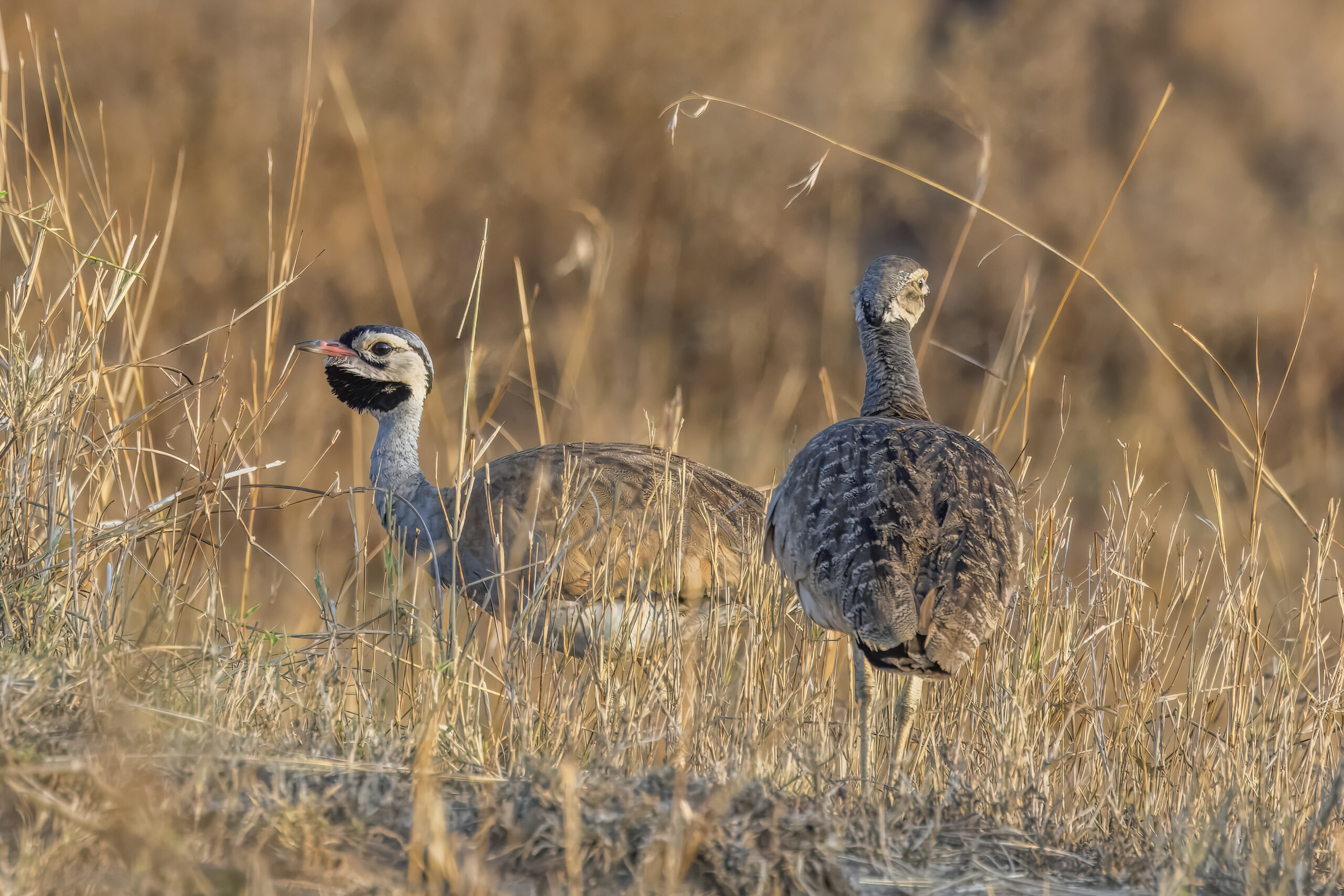
The white-bellied bustard is one species that birdwatchers may encounter in suitable grassland habitats in parts of eastern Africa. Learning to recognise bustards can add a new dimension to a safari, particularly for travellers who want to understand more about the smaller details of the landscape.
An important birdwatching note: The white-bellied bustard should not be confused with the kori bustard. Before using this article to advertise sightings in a particular Tanzanian national park, confirm the species’ current taxonomic name and distribution against a reliable regional bird checklist.
What Is a White-Bellied Bustard?
The white-bellied bustard is a member of the bustard family, a group of mainly terrestrial birds found in Africa and other parts of the world.
Bustards generally have strong legs and spend much of their time walking across grassland or open woodland. Their plumage often contains shades of brown, grey and white that help them blend into their surroundings.
The white-bellied bustard’s identification depends on observing its overall shape, plumage and markings rather than relying on one feature alone.
For birdwatchers, learning to distinguish between similar bustard species is an important skill. Size, posture, habitat and visible plumage details can all help narrow down an identification.
How Does It Live?
Like other ground-dwelling birds, bustards spend considerable time searching for food on the ground.
Their diets vary by species but may include insects, seeds and other small food items.
Grassland habitats provide feeding opportunities as well as places to move and rest. However, tall vegetation can make these birds difficult to see, even when they are relatively close.
A birdwatcher may notice a bustard walking slowly through the grass or standing still before moving again.
Patience is important because sudden movements can cause a bird to disappear into vegetation or move away from an observation point.
Where Should You Look for Bustards in Tanzania?
Tanzania has several protected areas with extensive grasslands and open savannah.
Serengeti National Park: The park’s open plains support several bustard species. Birdwatchers should look carefully and use a field guide to distinguish between them.
Ngorongoro Conservation Area: The grasslands provide opportunities to observe large ground-dwelling birds, including bustards.
Tarangire National Park: Open savannah and lightly wooded habitats support a diverse bird community, including several ground-dwelling species.
The presence of suitable habitat does not by itself confirm that the white-bellied bustard occurs at a particular site. Park-specific sightings should be verified before publication.
How to Identify a Bustard on Safari
A good pair of binoculars is essential when looking for birds in open grassland.
Start by observing the bird’s size and general shape. Notice the length of its legs and neck, the colour of its upperparts and underside, and any distinctive markings.
If you can photograph the bird without disturbing it, a clear image may help with later identification.
A knowledgeable local guide can also help distinguish similar species and explain which birds are regularly recorded in the area.
Avoid identifying a bird solely from a distant silhouette when several similar species occur in the same region.
Why Are Grassland Birds Important?
Grassland birds form part of a complex ecosystem.
They feed on insects and other small animals, consume plant material and interact with other species in the environment.
Their presence also makes grasslands interesting for wildlife enthusiasts who want to observe more than large mammals.
Protecting natural grassland is important for maintaining the variety of birds and other wildlife that depend on these habitats.
Tips for Responsible Birdwatching
When searching for bustards, remain in the vehicle where required and follow your guide’s instructions.
Use binoculars rather than approaching a bird on foot. Avoid chasing birds for photographs, particularly during breeding periods.
Record observations carefully and confirm unusual sightings using reliable bird identification resources.
For a specialist birding safari, consider working with a guide who has experience identifying Tanzania’s grassland species.
Discover More of Tanzania’s Birdlife
A Tanzania safari offers many opportunities to discover birds that visitors might otherwise overlook.
Bustards are an excellent example: their ground-based lifestyle and camouflage reward careful observation.
Whether you are exploring the Serengeti plains or the open landscapes of Tarangire, take time to look beyond the larger animals and appreciate the diversity of birdlife around you.
Africa Amaze invites you to discover Tanzania’s remarkable wildlife, one species at a time.
Read next