
The Northern Circuit: nine days, and the quietest way to the summit
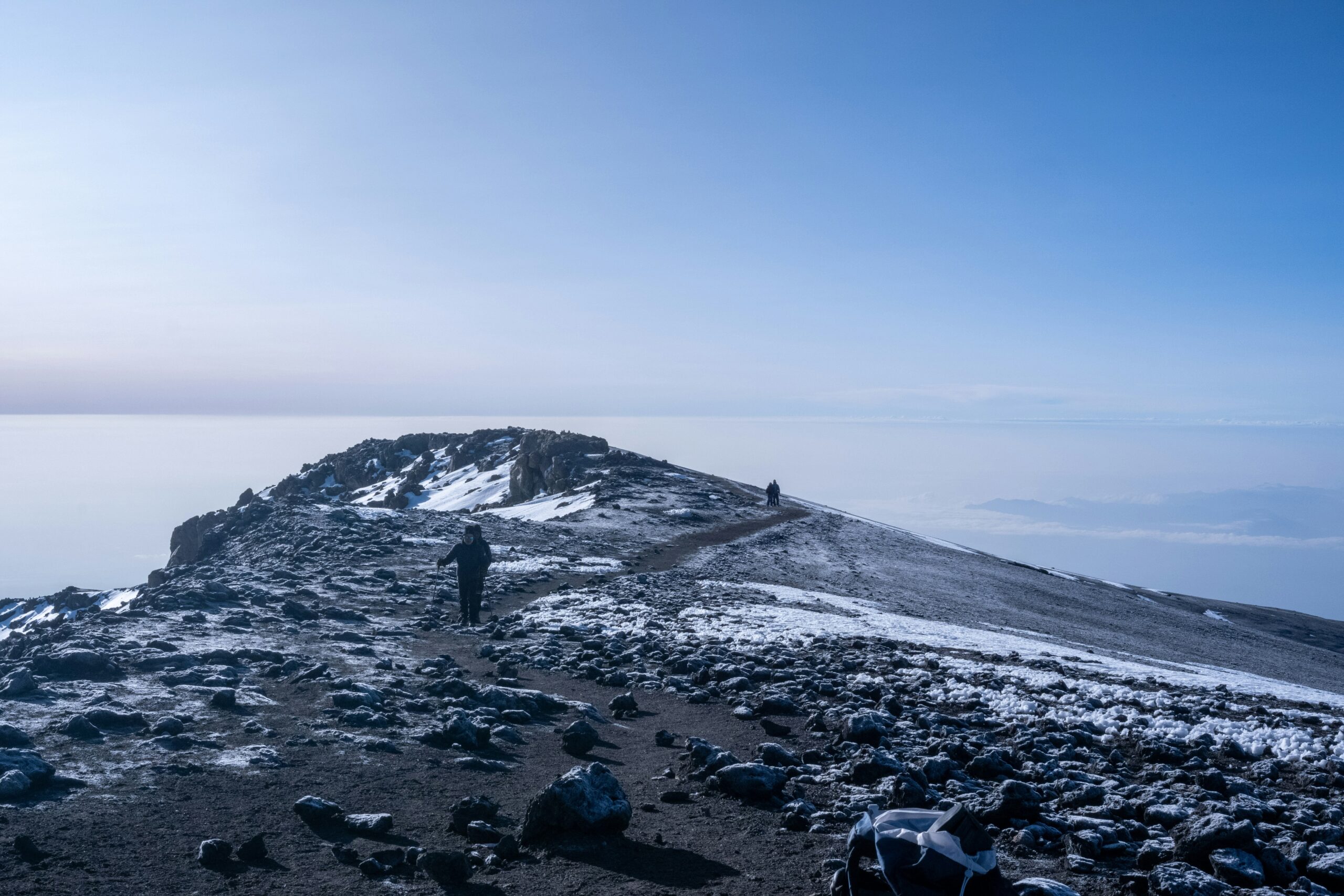
The longest route on Kilimanjaro, the newest, and the one with the highest success rate. It is also the one almost nobody asks for by name.
The shape of it
It starts on the west, at Londorossi, exactly as Lemosho does. Through the forest, across the Shira Plateau, up to Lava Tower. Then, instead of turning south with everyone else towards Barranco, it swings north and walks the whole way around the mountain before coming up the eastern side to Barafu.
Nine days. Around ninety-eight kilometres, which is more than any other route by a wide margin.
Why the success rate is high
Two reasons, and neither is mysterious.
First, time. Eight nights on the mountain is the most acclimatisation anybody offers, and the profile climbs and descends repeatedly on the northern traverse rather than pushing straight up.
Second, self-selection. People who book nine days have usually thought about it, trained for it, and are not treating the mountain as a long weekend.
There is no altitude drug, no route trick and no fitness regime that does what a ninth day does.
The northern traverse
Days five and six are the reason to take this route rather than simply adding a night to Lemosho. You walk the entire northern flank, which almost nobody visits, looking out over the Kenyan plains with the mountain always on your right.
It is not dramatic in the Barranco Wall sense. It is quiet, wide and slow, and several of our guides say it is the only part of Kilimanjaro that still feels remote.
What it costs
More, and mostly not to us. Two extra days means two extra days of park fees, camping fees and crew wages for you and every member of your team. Expect it to sit above eight-day Lemosho by roughly the cost of those two days.
[TABLE: current nine-day Northern Circuit price against eight-day Lemosho and seven-day Machame, with the park-fee portion broken out. From the operations sheet.]
The trade-offs, honestly
- It is nine days of your leave, plus travel. For many people that is the whole holiday.
- The first three days duplicate Lemosho exactly, so there is no new scenery until day five.
- It is physically longer. Not harder per day, but more days of walking.
- It is the best-acclimatised route available, and if summiting matters more than anything else, that settles it.
Who should take it
Climbers who have one attempt and want the best odds. People who have struggled with altitude before. Anyone who has been to Kilimanjaro and wants the version they have not seen. Photographers, because the northern side has light nobody else is shooting.
Who should not
Anyone squeezing the climb into a fortnight that also includes a safari. Nine days on the mountain plus a rest day plus four safari days plus travel does not fit comfortably, and something gets rushed. Take Lemosho instead and spend the saved days in a vehicle.
Read next