
The Ngorongoro Crater: six hours, planned properly
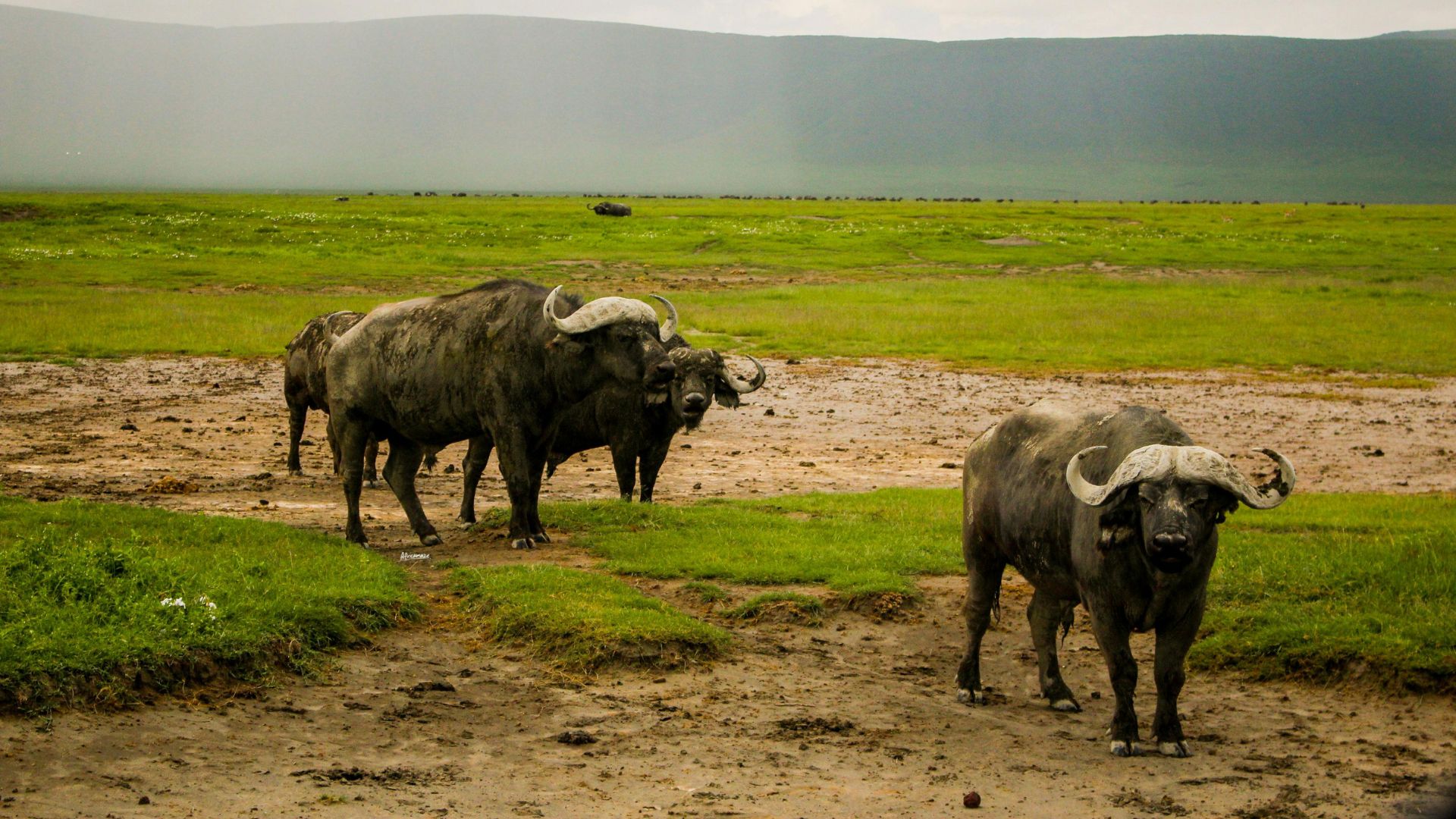
The most reliable wildlife day in Tanzania, the most expensive per hour, and the one most easily wasted by arriving at the wrong time.
What it is
A collapsed volcanic caldera about twenty kilometres across, with walls six hundred metres high and a floor of grassland, swamp, soda lake and acacia forest. Around twenty-five thousand large animals live inside it, most of them permanently.
It is not a national park. It sits inside the Ngorongoro Conservation Area, where Maasai families live and graze alongside the wildlife, which is why the fee structure is different from the Serengeti‘s.
The fee structure matters
There are two charges and people routinely confuse them.
- The conservation area fee, per person per twenty-four hours, for being in the highlands at all.
- The crater descent fee, per vehicle, valid for six hours.
The descent fee is substantial and it is per vehicle rather than per person, which is why a crater morning costs disproportionately more for a couple than for a group of six.
[TABLE: current conservation area fee and crater descent fee, with the six-hour limit noted. From the operations sheet.]
Six hours is a hard limit, enforced at the exit. The clock starts when you pass the descent gate.
Get there at the gate opening
This is the single decision that determines your crater day. Descend at six, and you have the floor largely to yourself for the first ninety minutes, in the best light, with predators still active.
Descend at nine, as most lodges’ breakfast schedules encourage, and you arrive into a queue of vehicles and a floor of animals settling down for the heat of the day.
Stay on the rim rather than in Karatu if you possibly can. The Karatu lodges are cheaper and forty minutes further from the gate, and those forty minutes are the most valuable of your trip.
What you will see
Reliable: lion, spotted hyena, wildebeest, zebra, buffalo, eland, warthog, jackal, flamingo on Lake Magadi, and an extraordinary density of everything.
Likely: elephant, though the crater’s are mostly old bulls with remarkable tusks rather than breeding herds.
Possible but never promised: black rhino, usually at distance across the grassland. The crater is the most reliable place in northern Tanzania to see them and it is still not reliable.
Absent: giraffe, which cannot manage the descent, and impala.
One morning is enough
The crater is contained and you will have covered it. A second descent costs another full descent fee and shows you the same twenty kilometres.
What is worth adding, if you have the time, is a second night on the rim so that the descent morning is not also a transfer morning.
Where it goes in the itinerary
Last, on the way back from the Serengeti. It is on the return leg so it costs no extra driving, it is the most reliable sighting day so it is a good place to finish, and after the open plains the crater feels extraordinary rather than crowded.
Read next