
The Shoebill: Tanzania’s Remarkable Wetland Giant
Learn about the extraordinary shoebill, its enormous shoe-shaped bill and the wetlands it needs to survive in East Africa.
Introduction
Few birds look as prehistoric as the shoebill. Its enormous bill, broad wings and intense stare have made it one of Africa’s most sought-after birds among dedicated birdwatchers.
However, finding a shoebill requires a different approach from a typical savannah safari. This species depends on particular wetland habitats and can be difficult to locate.
What Makes the Shoebill Unique?
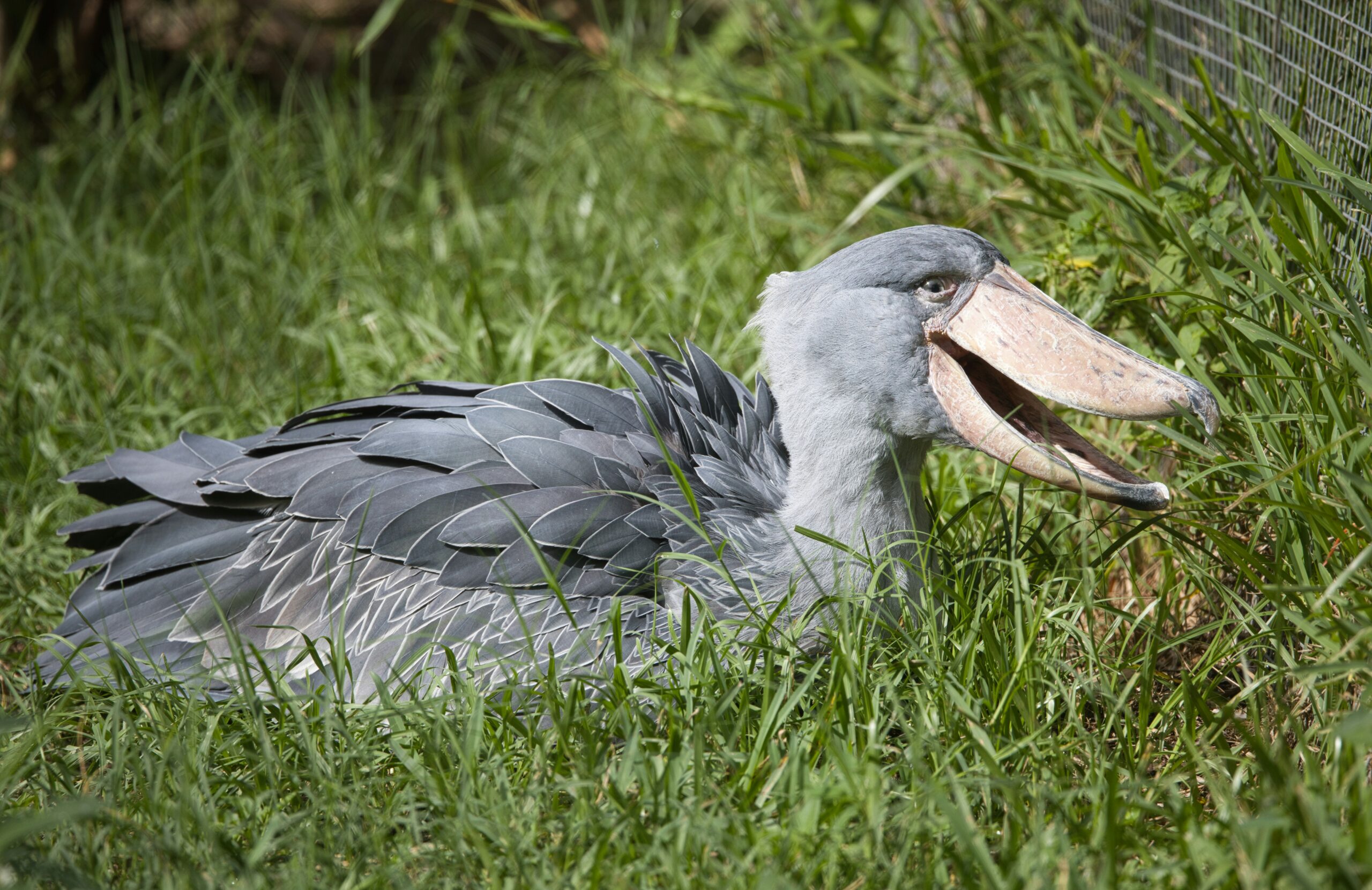
The shoebill is a large, grey bird with a massive bill shaped somewhat like a wooden shoe. Its broad bill has a powerful hooked tip that helps it catch and hold prey.
It often stands almost motionless in dense wetland vegetation, waiting for prey to come within striking distance.
Feeding and Hunting
Shoebills feed mainly on fish, particularly species that live in shallow, vegetated waters. They may also take other aquatic animals when opportunities arise.
Their hunting technique relies on patience. A shoebill can remain still for long periods before launching a rapid strike.
Can You See Shoebills in Tanzania?
Shoebills are best known from extensive wetlands in parts of East and Central Africa, particularly areas with suitable marshes and papyrus habitats. They are not a routine sight on Tanzania’s standard northern safari circuit, and visitors should not assume they will see one in parks such as Serengeti or Tarangire.
Anyone planning a trip specifically to see a shoebill should confirm recent, reliable records and local access arrangements before travelling. Specialist birding guidance is particularly valuable.
Why Wetland Conservation Is Essential
Shoebills rely on healthy wetland systems that provide food, cover and breeding habitat. Drainage, habitat conversion, disturbance and other pressures can threaten these specialised environments.
Protecting wetlands benefits not only shoebills but also many fish, amphibians, mammals and other waterbirds.
Where Shoebills Occur in Tanzania
In Tanzania, shoebill records are concentrated in the remote wetlands of the west, particularly the Malagarasi-Muyovozi wetland system, a Ramsar site of international importance that includes the Moyowosi and Kigosi game reserves.
These are vast, seasonally flooded swamps far from the northern safari circuit. Reaching them requires careful planning, specialist operators and time. For many travellers, seeing a shoebill is combined with a trip to wetlands in neighbouring countries where access is easier.
Size and Behaviour
The shoebill (Balaeniceps rex) stands around 1.1 to 1.4 metres tall. Its bill alone can be more than 20 centimetres long and almost as wide.
It is usually solitary and spends long periods standing still on floating vegetation. When it strikes, it collapses forward with its whole body, often taking a mouthful of vegetation along with the prey.
Shoebills are mostly silent, but they clatter their bills loudly at the nest and during greetings.
What Shoebills Eat
Lungfish and catfish are important prey, along with tilapia, frogs and occasionally water snakes. These prey species surface for air in shallow, oxygen-poor water, which is where shoebills prefer to hunt.
Quick Facts
- Height: around 1.1 to 1.4 metres
- Habitat: permanent swamps with papyrus and floating vegetation
- Diet: mainly lungfish, catfish and other fish
- Conservation status: Vulnerable on the IUCN Red List
Frequently Asked Questions
Can I see a shoebill on a northern Tanzania safari?
No. Shoebills are not found in the Serengeti, Ngorongoro, Tarangire or Lake Manyara. Records in Tanzania come from remote western wetlands.
Why is the shoebill classed as Vulnerable?
Its population is small and depends on large, undisturbed swamps. Wetland drainage, fires, disturbance and illegal capture all put pressure on it.
Is the shoebill a stork?
It was once grouped with storks, but it is now placed in its own family and is more closely related to pelicans.
Plan a Birdwatching Trip with Realistic Expectations
The shoebill is a spectacular bird, but its specialised habitat and limited distribution mean that finding one takes careful planning.
Africa Amaze can help travellers explore Tanzania’s broader birdlife and identify suitable birdwatching experiences based on their interests and the destinations they plan to visit.
Read next