
The African Fish Eagle: Tanzania’s Iconic Lakeside Hunter
Discover the African fish eagle, its hunting skills, distinctive call and the best places to look for this magnificent bird on a Tanzania safari.
Introduction
Imagine sitting beside a beautiful African lake when a loud, distinctive call breaks the silence. You look towards the water and see a powerful bird with a white head, dark wings and a hooked yellow beak perched high in a tree.
This is the African fish eagle, one of the most recognisable birds of Tanzania.
Known for its impressive appearance and remarkable fishing abilities, this bird is a favourite among wildlife photographers and nature lovers. Whether you are exploring Lake Manyara, watching the waterways of Nyerere National Park or enjoying the scenery around Arusha National Park, keep your eyes open for this magnificent hunter.
How to Identify the African Fish Eagle
The African fish eagle (Icthyophaga vocifer) is a large bird of prey with a distinctive appearance.
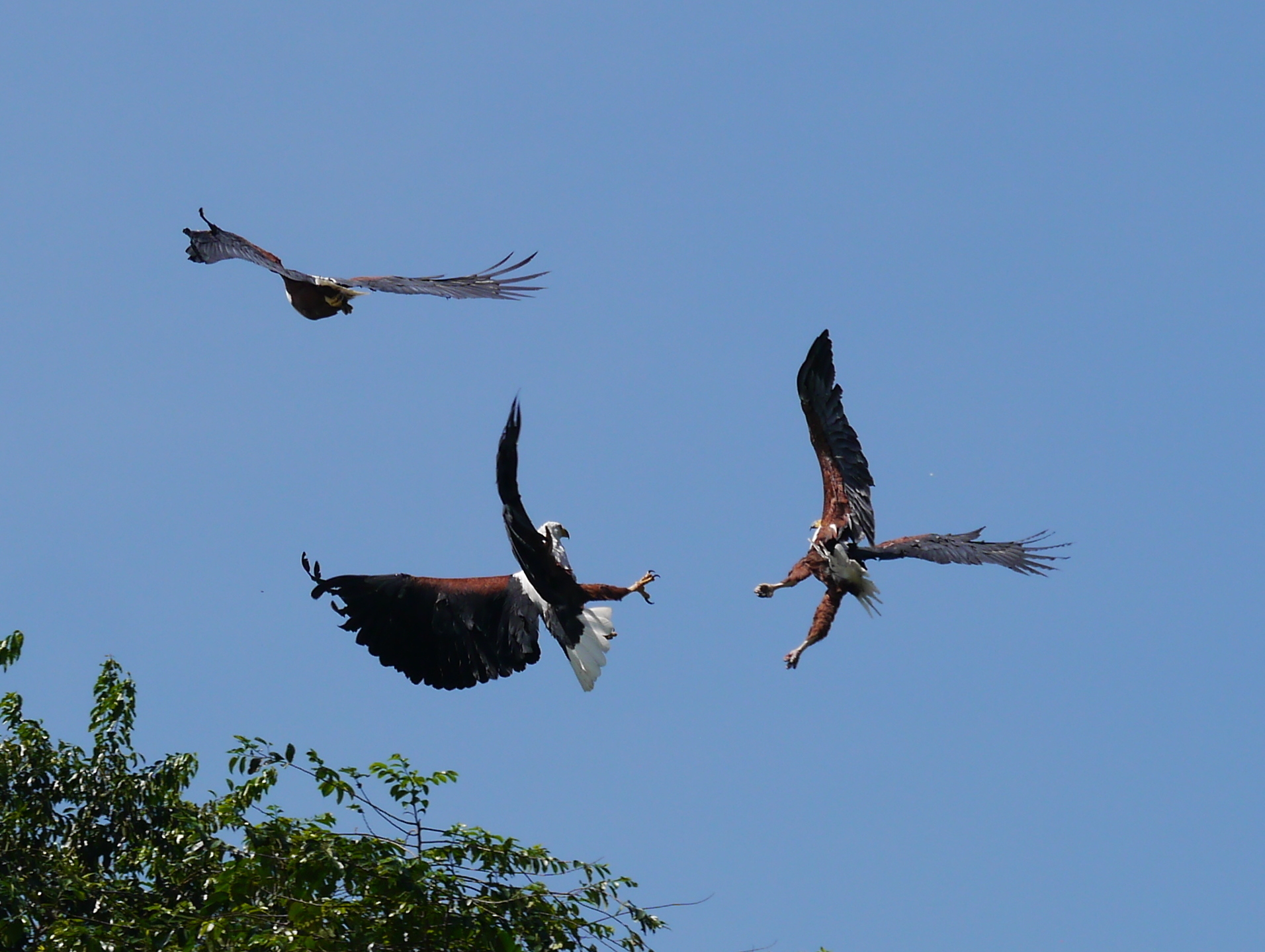
Adults have a white head, neck and upper breast, contrasting with their dark brown body and wings. Their powerful yellow beak is designed for catching and holding slippery prey, while their strong feet and sharp talons help them secure their catch.
The species is particularly easy to recognise when perched near water. Its upright posture and contrasting white-and-brown plumage make it stand out against the surrounding vegetation.
Its loud, ringing call is another characteristic feature. The sound is often associated with African lakes and rivers, adding to the atmosphere of a wildlife safari.
How Does the African Fish Eagle Hunt?
As its name suggests, fish are an important part of this eagle’s diet.
The bird often waits patiently on a tree branch overlooking the water. When it spots a suitable fish near the surface, it swoops down and uses its powerful talons to catch it.
However, fish are not its only food. It may also feed on waterbirds and other small animals, and it sometimes takes advantage of food caught by other animals.
Watching an eagle fish is an exciting experience because the action can happen within seconds. The bird moves from a quiet perch to a fast, controlled dive before returning to a branch or another resting place with its catch.
Where Can You See the African Fish Eagle in Tanzania?
Several Tanzanian parks and protected areas offer opportunities to observe this species.
Lake Manyara National Park: The lake, wetlands and surrounding trees provide suitable places to look for fish eagles. The bird is a good addition to a safari that combines waterbirds with larger wildlife.
Arusha National Park: The Momella Lakes and other suitable aquatic habitats offer opportunities to observe water-associated birds, including raptors.
Nyerere National Park: The park’s extensive river systems and wetlands provide suitable habitat for fish eagles.
Serengeti National Park: Although the park is famous for its grasslands and large mammals, its rivers and pools also attract a variety of birds.
Sightings depend on the habitat being explored, local conditions and the season. A knowledgeable guide can help identify the best places to look.
Best Time to Photograph the African Fish Eagle
The best photographic opportunities often come when the bird is perched in an open position or actively hunting.
Bring binoculars and a camera with a suitable telephoto lens. Ask your guide to pause at a safe distance when a fish eagle is visible, and avoid disturbing the bird while it feeds or rests.
Morning and late-afternoon game drives can provide attractive natural light, although bird activity varies.
Why Should You Look for This Bird on Safari?
The African fish eagle demonstrates that a Tanzania safari is about much more than lions, elephants and giraffes.
Its hunting skills, distinctive appearance and memorable call make it a rewarding species to observe. It also provides an excellent introduction to the relationship between birds and aquatic ecosystems.
If you enjoy wildlife photography or want to discover more of Tanzania’s natural diversity, ask your safari planner to include suitable lakes, rivers and wetlands in your itinerary.
Discover more of Tanzania’s wildlife with Africa Amaze and experience the remarkable birdlife that makes every safari different.
Read next